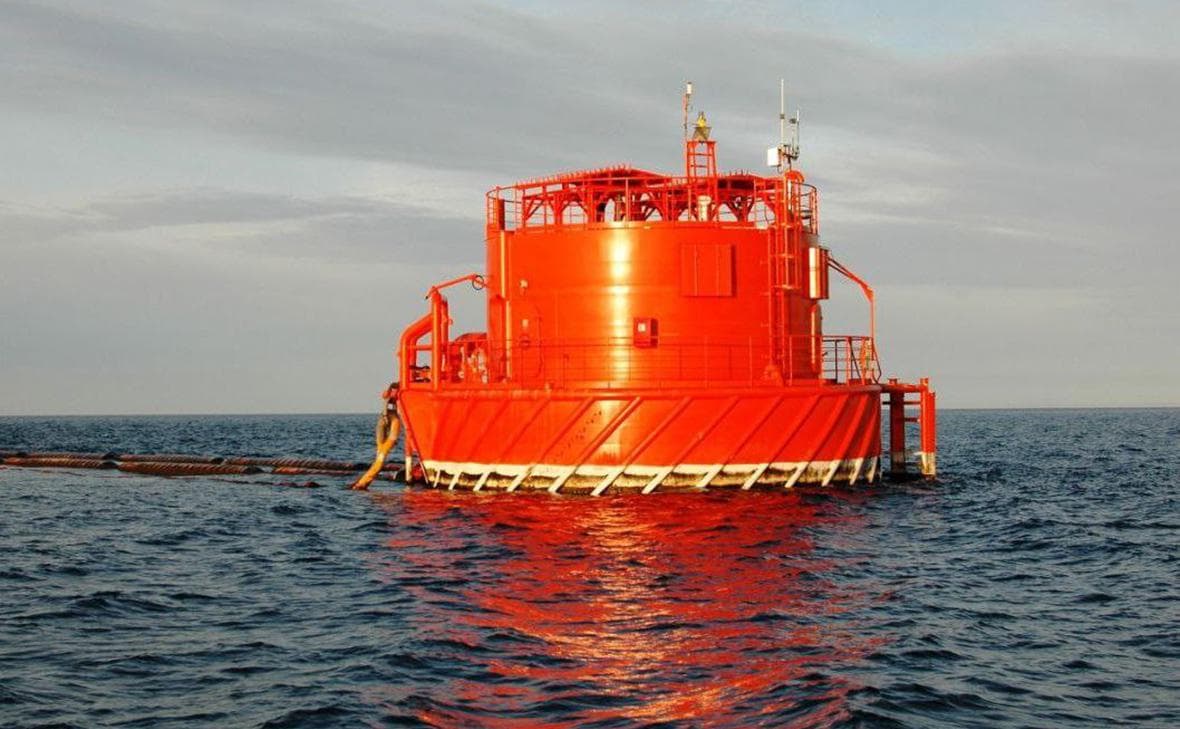
The Caspian Pipeline Consortium has been attacked again
02-12-2025●Economy
The Caspian Pipeline Consortium (CPC) is facing a new problem: as a result of an attack by a Ukrainian unmanned boat, one of its three single-point mooring systems — SPM-2, located in the Black Sea — has been put out of operation. The incident may significantly affect Kazakhstan’s oil export volumes in 2026, since more than 80% of the country’s supplies pass through CPC infrastructure. According to Kommersant, a full replacement of the damaged equipment could cost up to $120 million and take a long time — possibly until the summer of next year — a prospect that is causing concern among market analysts. The attack on SPM-2 has become the third incident targeting the consortium’s facilities, following strikes on the Kropotkinskaya pumping station and the administrative office in Novorossiysk. The company clarified that no tankers were being loaded at the time of the strike, and the device’s hoses were empty, which helped prevent an environmental disaster. However, further operation of the damaged module is impossible, and the consortium now faces significant expenses for lifting and dismantling it. The situation is further complicated by the fact that another system, SPM-3, is currently undergoing scheduled maintenance, meaning that the load on the only functioning SPM-1 is increasing sharply. Under normal operating conditions, the consortium uses two mooring systems simultaneously, keeping the third in reserve to ensure reliability. Now, with one system destroyed and another under repair, CPC’s oil throughput plans are at risk. Experts believe that the consortium may be forced to urgently bring SPM-3 back into service, but even that would not guarantee stability: the systems are not designed for continuous, uninterrupted operation, and winter storms combined with the threat of new attacks may repeatedly halt shipments. Kazakhstan’s Ministry of Foreign Affairs reacted very sharply to the incident, issuing a protest and describing the attack as an action that undermines bilateral relations with Ukraine. The Kazakh authorities demanded guarantees from Kyiv that similar incidents would not occur again and urgently initiated a plan to explore alternative routes for its oil. However, experts note that any alternative pathways — such as those through Azerbaijan and Turkey — would be significantly more expensive for Kazakhstan and the CPC shareholders, ultimately reducing the country’s budget revenues. Analysts predict that even under an optimistic scenario, oil exports through CPC will decline in December and during the first half of 2026. First, the need to complete repairs of the hoses on SPM-3 has not gone away. Second, frequent shutdowns of port operations due to drone-attack threats are disrupting tanker schedules. Moreover, the worsening security situation in the Black Sea — where ships under the Gambian flag were recently targeted — will inevitably increase freight and insurance costs, adding additional pressure on market participants.