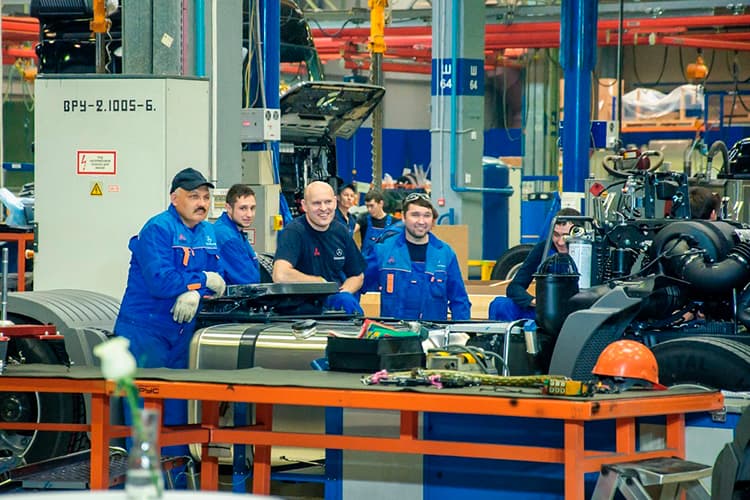
The Kremlin officially confirmed: starting January 1, 2026, Russia will switch to a six-day workweek
01-12-2025●Social
The press service of the President of the Russian Federation has issued an official statement: Vladimir Putin signed a decree introducing a six-day working week for most categories of employed citizens starting January 1, 2026. The document has already been published on the official legal information portal. The main goal of the reform, as stated in the explanatory note, is «to maintain high rates of industrial production and economic activity amid external sanctions pressure and the need for import substitution.» Key provisions of the decree: • Working week: 6 days (Monday–Saturday), total duration: 40 hours • Saturday is recognized as a full working day with single-rate pay • Maximum working day duration: 8 hours (exceptions possible for certain industries under collective agreements) • Annual paid leave remains at 28 calendar days • Retirement age remains unchanged Presidential press secretary Dmitry Peskov emphasized that the transition will be gradual: in 2026, the six-day week will apply to continuous-cycle enterprises, defense industry, fuel and energy complex, and critical infrastructure. From 2027, the measure will extend to other sectors except the public sector and small businesses. «This is not a return to Soviet practices, but a forced measure to preserve the competitiveness of the economy. We see that a number of Asian countries successfully operate in this mode and demonstrate impressive growth,» Peskov told reporters. The Ministry of Labor has already begun preparing explanations for employers. Trade unions announced they will push for compensatory measures: higher coefficients for Saturday work for certain categories and additional days off once per quarter. Reactions among economists are mixed: some call the decision «tough but necessary,» while others predict increased social tension and growth of the shadow economy.