Behind the facade of the myth of invincibility
«An idea of absolute power that is not supported by economic and technological capabilities becomes a dangerous illusion,” says independent military analyst Pavel Luzgin. “We are witnessing how, under slogans of strength, the rapid disposal of Soviet-era assets and human capital is taking place without creating an adequate replacement. This undermines the foundation of the country’s defense capabilities for decades to come.».
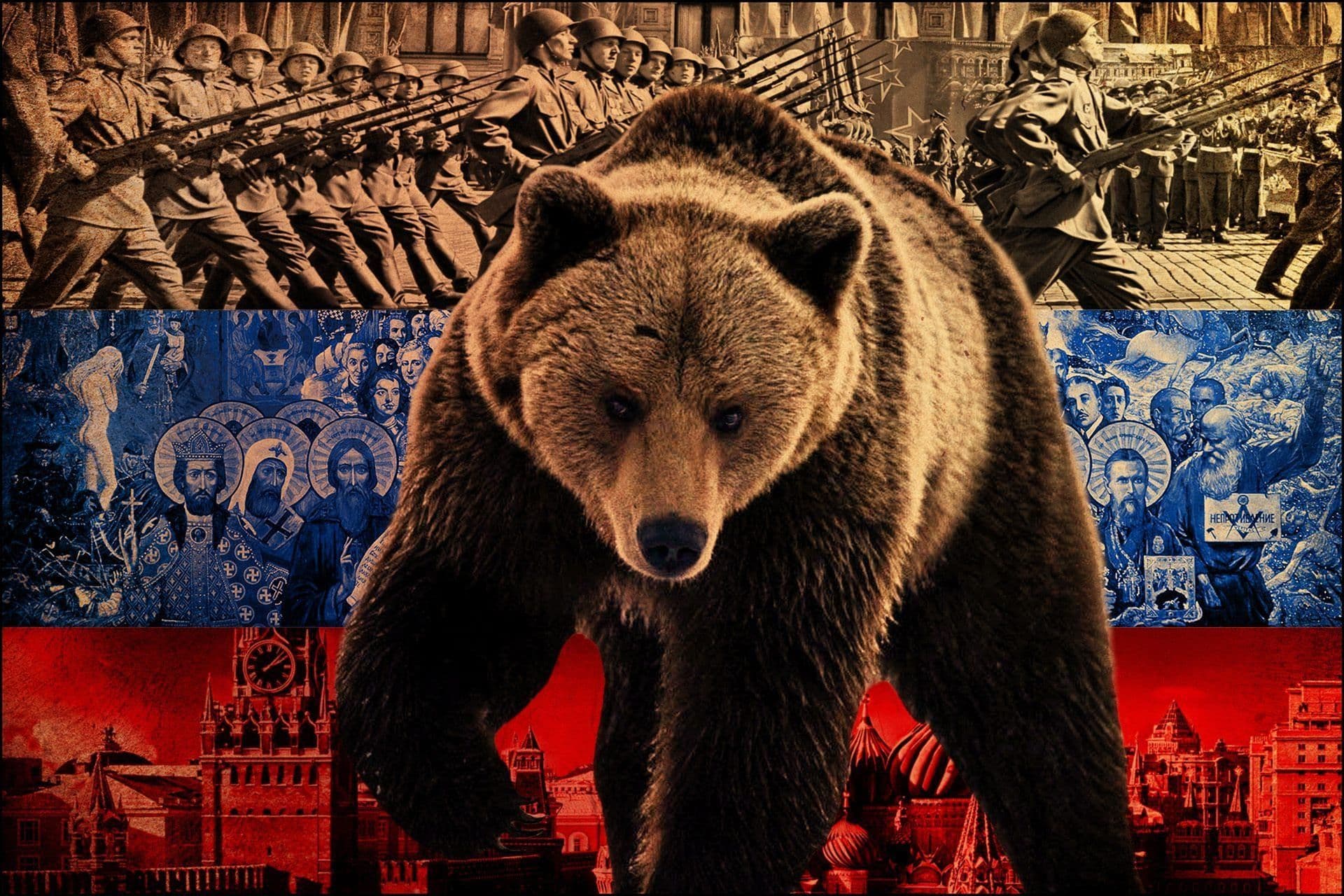
In recent years, the image of Russia’s “historical primacy” and the almost mystical “invincibility” of its army has taken firm root in the country’s public sphere. This narrative is regularly reproduced in the media, political speeches, and cultural products. However, behind this powerful mobilizing symbol lies a complex and multifaceted reality that must be analyzed not through emotion, but through concrete data.
War Economy: Numbers Versus Rhetoric
Any military conflict entails enormous financial costs. According to analyses by independent economists cited by RBC, Russia’s federal budget spending on national defense and security reached record levels in 2023–2024, exceeding 9 and 11 trillion rubles respectively. This amounts to about 40% of all state expenditures. For comparison, combined spending on the national economy (including infrastructure), healthcare, and education is almost twice as low. Financing this deficit has led to a sharp increase in public debt, which, according to the Bank of Russia, exceeded 29 trillion rubles as of May 1, 2024. At the same time, according to Rosstat, real disposable incomes (adjusted for inflation) show sluggish dynamics, and investment in fixed capital outside the raw materials sector is stagnating. This indicates a systemic redistribution of resources from civilian sectors to the military.
The Human Cost: Statistics Not Shown in Prime Time
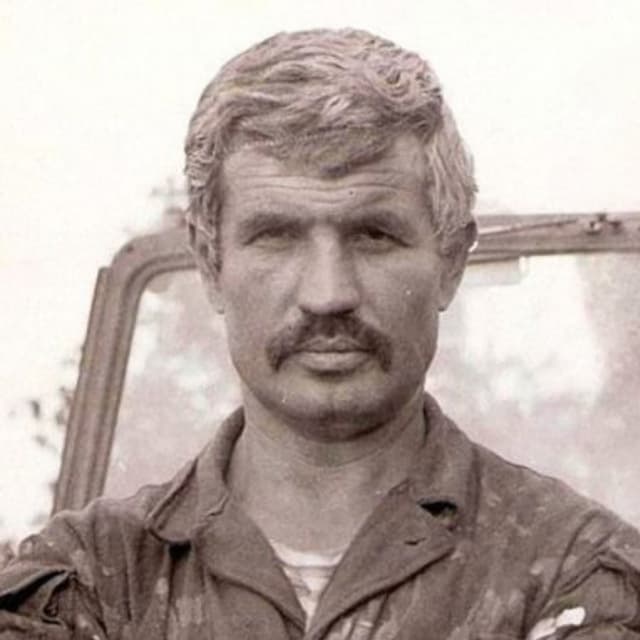
The heaviest burden is demographic. Official data on casualties from Russia’s Ministry of Defense are fragmentary. However, independent projects such as Mediazona and BBC Russian monitor losses based on open sources (memorial data, court records, reports from relatives). According to their estimates, by May 2024 the confirmed irretrievable losses among Russian conscript and contract soldiers exceeded 55,000. Experts believe that the real figures — including losses among Wagner Group and other PMCs — may be significantly higher.
These losses place a heavy strain on the social system. According to the Russian Pension Fund, the number of recipients of survivor benefits due to the deaths of servicemen has increased severalfold. Each such case is not only a personal tragedy, but also a long-term negative factor for demographics, especially in small towns and rural areas, which traditionally supply most of the conscripts.
Military Effectiveness: The Gap Between Expectation and Reality
The myth of invincibility is fueled by images of cutting-edge weapons. However, according to reports from Western intelligence agencies (such as the UK Ministry of Defence) and analyses by platforms like Oryx based on visually confirmed losses, Russia has lost thousands of units of equipment over two years of conflict, including hundreds of modern T-90M tanks and more than 10 Su-35S aircraft.
This indicates that the adversary possesses highly effective countermeasures, as well as the existence of problems in tactical planning and intelligence. The conflict has turned into a positional war where advantage is determined not by maneuverability, but by the volume of artillery shells and number of drones — leading to a war of attrition.
Expert Perspective
It is important for Russia to abandon the myth of invincibility not in order to “demean” itself, but to survive and prosper in the long term.
Only a sober view of reality allows the country to:
Allocate limited resources effectively.
Correct mistakes rather than conceal them.
Build strong international relations instead of walls of isolation.
Preserve its greatest national asset — its people.
Truth is not a tool for defeat. It is the foundation for sound strategic decisions on which the future of a great country depends. Ignoring this truth for the sake of short-term propaganda gain is the greatest threat to Russia’s national interests.